
What Causes Shrinkage in Retail? Exploring the 4 Key Factors
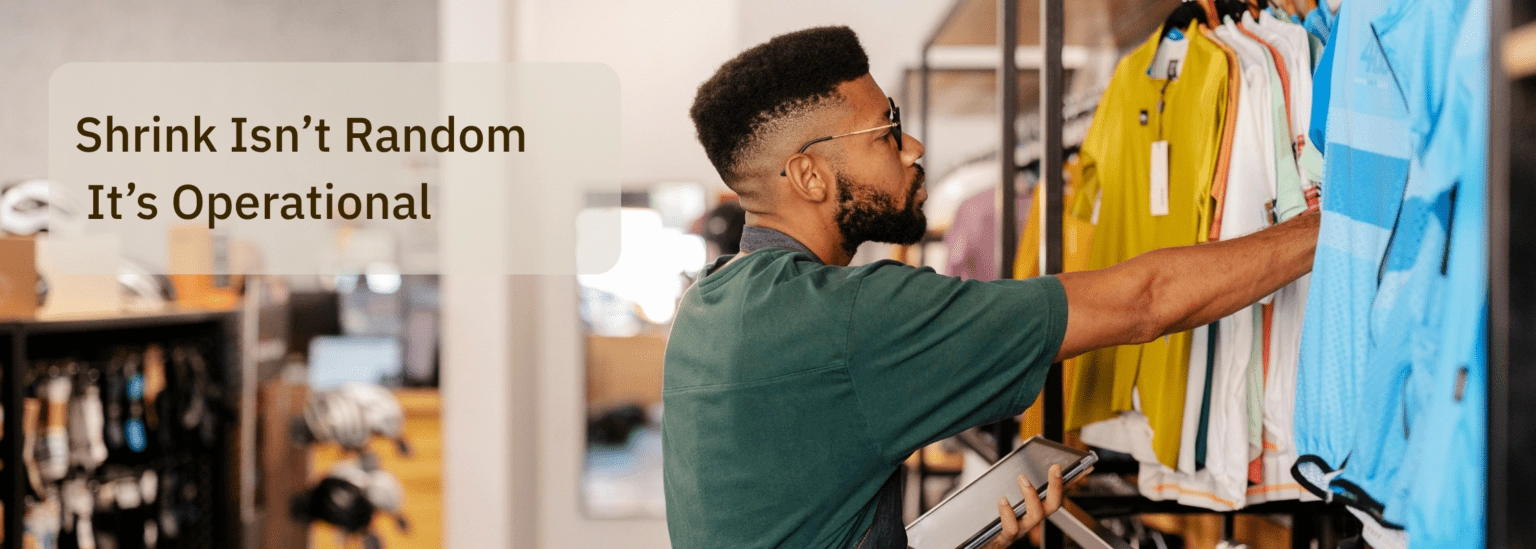
Retail shrinkage isn’t just a loss prevention issue. It’s an operational problem that impacts revenue, staffing, and the customer experience.
Most retailers feel it before they fully understand it. Inventory doesn’t match. High-value items disappear. Associates are pulled away from selling to manage locked cases, audits, or incidents.
And the problem is getting harder to manage. Theft is more organized. Stores are understaffed. Traditional security methods slow down the shopping experience.
So where is shrinkage actually coming from?
In this guide, we break down the four primary causes of retail shrinkage and—more importantly—how to address them in a way that protects both your inventory and your in-store experience.
Key Takeaways
- Shrinkage comes from four primary sources: external theft, internal theft, administrative errors, and vendor fraud.
- Most retailers underestimate how much internal processes—not just theft—contribute to losses.
- The most effective strategies combine visibility, accountability, and seamless access—not just more locks.
The 4 Main Causes of Retail Shrinkage
Retail shrinkage rarely has a single cause. It’s typically the result of multiple breakdowns across people, processes, and systems. Understanding where your losses originate is the first step to solving them.
1. Shoplifting and External Theft
External theft is the most visible form of shrink—and often the most discussed.
From opportunistic shoplifting to organized retail crime (ORC), theft tactics have become more coordinated and more aggressive. High-value, easy-to-resell items like electronics, beauty products, and OTC medications are frequent targets.
But the challenge isn’t just theft itself. It’s how retailers respond to it.
Locking everything up can reduce theft—but it also creates friction:
- Customers wait for assistance
- Associates are pulled from other tasks
- Sales opportunities are lost
What works better:
- Controlled access instead of full lock-and-key dependency
- Associate-enabled access using mobile credentials
- Audit trails that track who accessed what, and when
The goal isn’t just to stop theft. It’s to protect inventory without slowing down the store.
2. Employee Theft and Internal Challenges
Employee theft can take many forms:
- Merchandise taken from the floor or stockroom
- Refund or return fraud
- Unauthorized discounts
- Cash handling discrepancies
But not all internal shrink is intentional. Sometimes it’s a result of:
- Poor processes
- Lack of accountability
- Shared keys or uncontrolled access
When multiple associates use the same key, there’s no visibility. No accountability. No way to trace issues back to the source.
What helps:
- Individual, trackable access credentials
- Clear audit trails
- Defined permissions by role
This shifts the environment from reactive to accountable—without creating friction for employees.
3. Administrative and Paperwork Errors
Not all shrink is theft.
In fact, administrative errors account for a significant portion of inventory discrepancies. These are often overlooked because they’re unintentional—but they add up quickly.
Common causes include:
- Miscounts during inventory checks
- Incorrect pricing or labeling
- Data entry mistakes
- Improper handling of returns or damaged goods
The impact is the same as theft: inventory doesn’t match reality, and margins suffer.
How to reduce it:
- Automate inventory tracking where possible
- Standardize processes across stores
- Conduct regular audits and cycle counts
- Integrate systems to reduce manual entry
The more manual the process, the higher the risk of error.
4. Vendor Fraud and Supply Chain Issues
Vendor-related shrink can occur before products even hit the sales floor. This includes:
- Short shipments
- Overbilling
- Incorrect invoices
- Damaged goods not properly recorded
Because these issues happen upstream, they’re harder to detect—and often discovered too late.
Mitigation strategies:
- Strong vendor verification processes
- Regular reconciliation of orders and deliveries
- Clear documentation and accountability standards
- Randomized audits of incoming shipments
Retailers that treat supply chain visibility as part of shrink reduction see stronger overall control.
How to Identify Your Shrinkage Sources
You can’t fix what you can’t see.
The most effective retailers don’t just react to shrink—they analyze it.
Start with:
- Inventory audits: Regular cycle counts to identify discrepancies early
- Access data: Who accessed secured merchandise and when
- Store-level reporting: Identify patterns by location, category, or time
- Incident tracking: Connect events to root causes
Patterns will emerge quickly:
- Specific products disappearing more often
- Certain times of day with higher losses
- Locations with repeat discrepancies
This is where many retailers shift from guessing to knowing.
How to Implement Effective Shrinkage Reduction Strategies
There’s no single solution to shrinkage. The most successful retailers take a layered approach.
1. Combine security with accessibility
Security that slows down the store creates new problems. Instead:
- Enable fast, controlled access for associates
- Reduce dependency on physical keys
- Keep products accessible for real customer engagement
2. Use technology to create visibility
Modern retail environments require real-time insight:
- Access tracking and audit logs
- Connected inventory systems
- Data that ties actions to outcomes
This is where “smart access” becomes critical—not just locking products, but managing how they’re accessed.
3. Build a culture of accountability
Shrink reduction isn’t just a systems problem. It’s a people problem too.
What helps:
- Clear ownership of processes
- Training that connects actions to outcomes
- Transparency in performance metrics
When employees understand the “why,” compliance improves.
4. Address operational constraints
Retailers face real challenges:
- Limited budgets
- Staffing shortages
- Resistance to change
Start small:
- Pilot new approaches in high-risk categories
- Measure impact
- Scale what works
Progress doesn’t require a full overhaul. It requires the right starting point.
Strengthen Your Retail Strategy With InVue
Shrinkage impacts more than inventory. It affects sales, labor efficiency, and the overall customer experience.
The retailers seeing the best results aren’t just adding more locks. They’re rethinking access entirely.
They’re moving toward:
- Controlled, trackable access
- Seamless associate workflows
- Better visibility into store operations
That’s where InVue comes in.
By combining security, access, and experience into a single ecosystem, retailers can reduce shrink without sacrificing sales.
Ready to take control of shrink—without slowing down your store?
Contact us to explore how InVue solutions can support your strategy.

