
The Costs of Product Theft Most Health & Beauty Retailers Don’t Measure
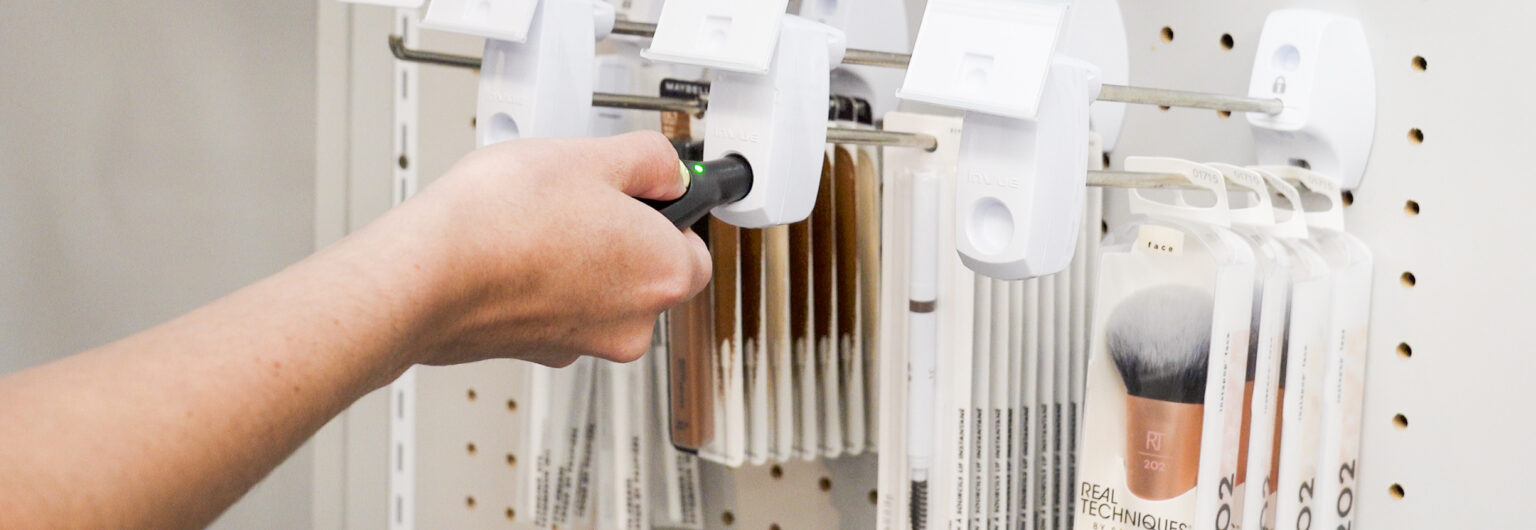
When product theft occurs, most retailers focus on the most visible metric: Inventory Loss.
How many products were stolen? What was their value? How much did shrink increase?
These are important questions, but they rarely tell the full story.
In Health & Beauty retail, the products most vulnerable to theft are often the same products that help drive customer engagement and purchasing decisions. Fragrance testers encourage discovery. Premium skincare displays help customers compare products. Personal care electronics are often evaluated before purchase. Even products such as razor cartridges and OTC medications must remain accessible enough to support a convenient shopping experience.
As a result, the true cost of theft often extends far beyond the value of the item itself, creating ripple effects across the customer experience, store operations, and merchandising efforts that support sales.
Understanding those broader effects is becoming increasingly important as retailers look beyond shrink and begin evaluating how theft influences overall store performance.
Why Health and Beauty Retail Creates Unique Security Challenges
One reason theft creates unique challenges in Health & Beauty is that the category depends on far more than product availability alone.
Customer Interaction Drives Purchase Decisions
Many products are purchased through interaction. Customers shopping for fragrance want to smell and compare scents before making a decision. Skincare shoppers often compare textures, ingredients, benefits, and packaging. Consumers purchasing electric toothbrushes, styling tools, and trimmers frequently pick products up to evaluate features and build confidence in their choice.
Presentation Is Part of the Product Experience
Health & Beauty retailers rely heavily on presentation, storytelling, and brand experience. Brands invest heavily in fixtures, merchandising, packaging, and visual presentation to create environments that feel premium, engaging, and consistent with their identity.
Merchandising Must Remain Flexible
Unlike many retail categories, Health & Beauty displays evolve constantly. Products move between fixtures, promotional displays, end caps, and seasonal campaigns throughout the year. Security solutions must be able to adapt alongside these changes without creating operational burden or compromising merchandising goals.
Not Every Product Creates the Same Security Challenge
A fragrance tester creates a different challenge than a package of razor cartridges. An electric toothbrush requires a different approach than a premium skincare display or a drawer full of inventory. Products vary in size, value, packaging, and how customers interact with them, making a one-size-fits-all security strategy difficult to sustain.
This creates a difficult reality for retailers. The products that benefit most from accessibility, interaction, and presentation are often the same products most vulnerable to theft. As security measures increase, retailers must carefully consider how those measures affect customer engagement, merchandising flexibility, brand presentation, and store operations.
Product Theft Looks Different Depending on Who You Ask
One of the reasons the true cost of theft is often underestimated is that different teams experience its impact in different ways.
For Loss Prevention teams, theft is primarily measured through shrink. Missing inventory, recurring theft incidents, and unexplained stock discrepancies are all clear indicators of risk. These metrics remain important because they provide visibility into the direct financial impact of theft.
Store Operations teams, however, often experience a different set of challenges. Missing products create replenishment work. Associates spend time locating replacement inventory, restoring displays, maintaining merchandising standards, and responding to customer questions about unavailable products. These activities consume labor hours that are rarely associated with theft, even though they are direct consequences of it.
Merchandising teams experience another layer of impact. Health & Beauty brands invest heavily in fixture design, visual merchandising, seasonal launches, and product presentation. A missing tester, an empty display position, or an incomplete assortment can diminish the effectiveness of an entire display. The result may not appear in a shrink report, but it can affect product visibility, customer engagement, and the overall effectiveness of the merchandising strategy.
Customers experience the consequences differently still. They encounter unavailable products, incomplete displays, or products that can no longer be evaluated before purchase. While some customers will wait for assistance or return later, others simply move on.
Viewed individually, each of these impacts may seem manageable.
Viewed collectively, they reveal why the cost of theft extends well beyond inventory loss.
The Hidden Costs Most Retailers Don’t Measure
The value of a stolen product is relatively easy to calculate. The secondary effects are much harder to quantify.
Consider a fragrance tester. The cost of replacing the tester itself may be relatively small compared to the impact created while it is unavailable. During that time, customers lose the ability to experience the fragrance as intended. Associates may need to source and replace inventory. The display becomes less effective at supporting product discovery. The brand experience begins to deteriorate.
The same principle applies across other product categories.
When razor cartridges are repeatedly stolen, associates spend additional time replenishing fixtures and maintaining inventory levels. When premium skincare products disappear from a display, customers lose opportunities to compare products and evaluate options. When personal care electronics are removed from displays, shoppers lose the ability to interact with products before purchase.
Over time, these effects compound.
Common hidden costs include:
|
Additional replenishment and maintenance labor. |
|
Reduced product interaction and engagement. |
|
Incomplete displays and merchandising disruption. |
|
Lost sales opportunities. |
|
Degradation of the brand experience. |
While these costs are difficult to measure precisely, they often affect stores every day.
When Security Becomes Part of the Customer Experience
Many retailers respond to theft by increasing security measures. Products are moved behind glass, placed in locked displays, or secured in ways that require associate assistance.
In some situations, these measures are necessary. However, they also introduce a new challenge: security becomes part of the customer experience.
A customer shopping for a premium fragrance may need assistance retrieving inventory from a locked drawer. A shopper purchasing an electric toothbrush, premium skincare product, OTC medication, razor cartridge, or high-end cosmetic item may need access to a secured glass display before completing their purchase.
None of these moments seem significant on their own. Yet collectively they influence how customers experience the store.
This is why many Health & Beauty retailers are shifting their approach. Rather than viewing security exclusively through the lens of loss prevention, they are evaluating how security decisions affect accessibility and the customer experience.
The objective is not simply to protect products.
The objective is to protect products while preserving the experience that helps sell them.
A Better Approach to Product Protection
The most effective Health & Beauty security programs recognize that different products create different challenges.
A fragrance tester should not be protected the same way as a package of razor cartridges.
An electric toothbrush should not be protected the same way as inventory stored in a locked drawer.
A premium skincare display should not be secured in a way that compromises the brand presentation.
Successful retailers evaluate security through a broader lens. They consider not only how to reduce theft, but also how to maintain product accessibility, support merchandising objectives, preserve brand standards, and improve the customer experience.
Security becomes most valuable when it supports the shopping journey rather than interrupts it.
Looking Beyond Shrink
Product theft will always be measured through inventory loss. Shrink remains one of the most important metrics available to retailers.
However, focusing exclusively on shrink can obscure the broader impact theft creates across the store.
Health & Beauty retailers are increasingly recognizing that theft affects multiple parts of the business simultaneously. Loss Prevention teams experience shrink. Operations teams absorb additional labor. Merchandising teams manage disrupted displays. Brands lose presentation. Customers lose opportunities to discover and evaluate products.
The most effective security strategies acknowledge all of these realities.
Because in Health & Beauty retail, the most significant cost of product theft is not always the product that was stolen.
It is the effect that loss has on all components that drive sales long after the product is gone.
InVue Security Solutions for Health and Beauty Retail
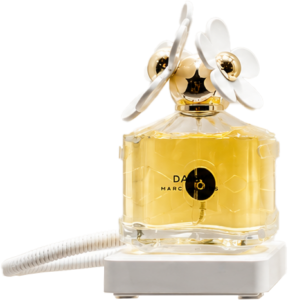 |
Tester Security: Secure fragrance and beauty testers while keeping them available for customer interaction, easy replenishment, and premium product presentation.
|
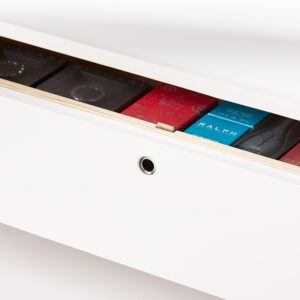 |
Access Control (Shelves, Displays & Drawers): Control access to high-value merchandise and inventory while giving associates fast, accountable access to products when needed.
|
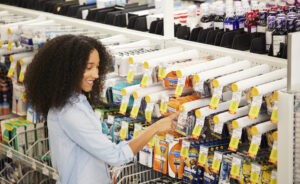 |
Hanging Merchandise Security: Protect high-theft hanging items such as razor cartridges, toothbrush heads, and small accessories while keeping products visible and easy to shop.
|
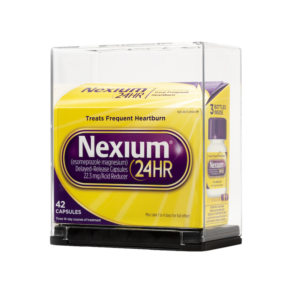 |
Safers: Secure boxed and high-risk merchandise in a transparent enclosure that preserves product visibility and allows customers to select items for purchase.
|
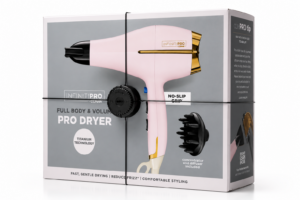 |
Package Wrap: Protect boxed merchandise from theft without locking it away, maintaining visibility, branding, and merchandising standards.
|
 |
|

