
Smart Locks vs. Traditional Keys: How to Protect Your Retail Store
Most retail stores still run on mechanical key systems designed before loss prevention was a discipline. The keys haven’t changed much. The theft environment has. And the gap between what a traditional key system can tell you and what your LP team actually needs to know is costing stores more than most operators realize.
If you’re working to protect your retail store today, there’s a growing gap between what a traditional key system can tell you and what your LP team actually needs to know. This isn’t a comparison of two lock types. It’s a comparison of two fundamentally different approaches to store access, accountability, and operational control.
What Traditional Key Systems Actually Cost You
The problem with traditional keys isn’t that they don’t work. It’s that they work just well enough to avoid scrutiny while quietly creating liabilities that are hard to measure until something goes wrong.
An associate might carry separate keys for showcases, cabinets, sliding doors, cages, and backroom access. Shared codes make every access event anonymous. And every lost key opens an exposure window that stays open until rekeying is done.
None of this shows up cleanly in a shrinkage report. At the end of the quarter, the store knows it has a theft problem but has no system to tell it where that problem is coming from.
How Smart Locks Work in a Retail Environment
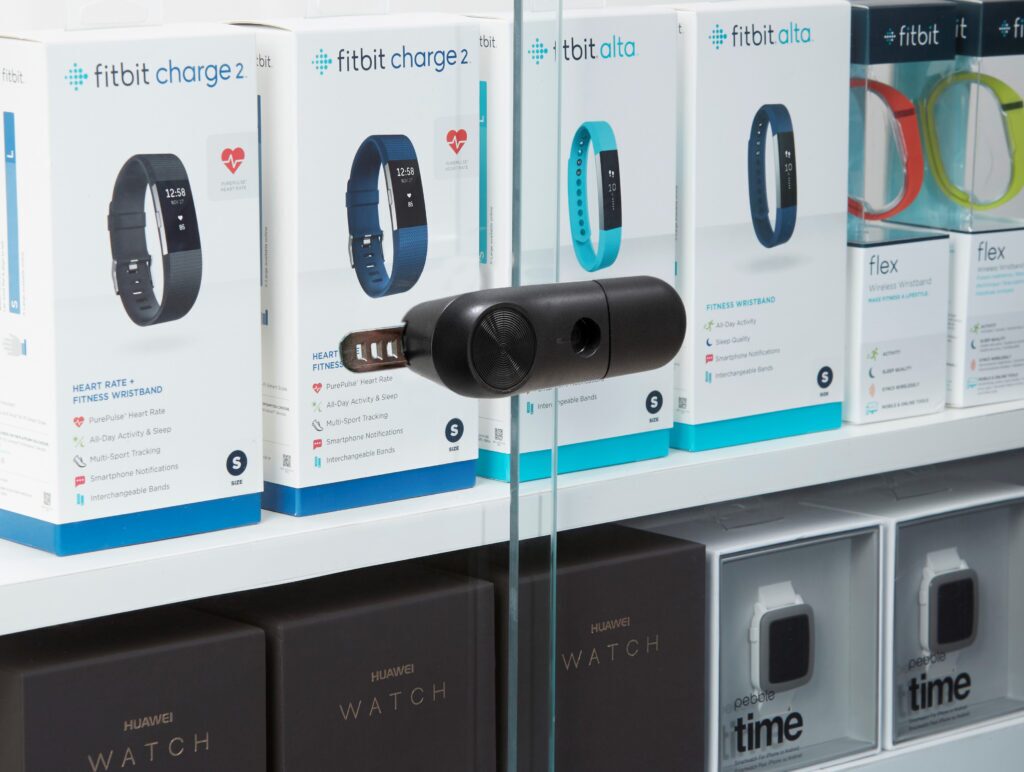
A retail smart lock system is built for the realities of a store floor. It secures hundreds of access points across multiple users, with role-based permissions and a full log of every interaction.
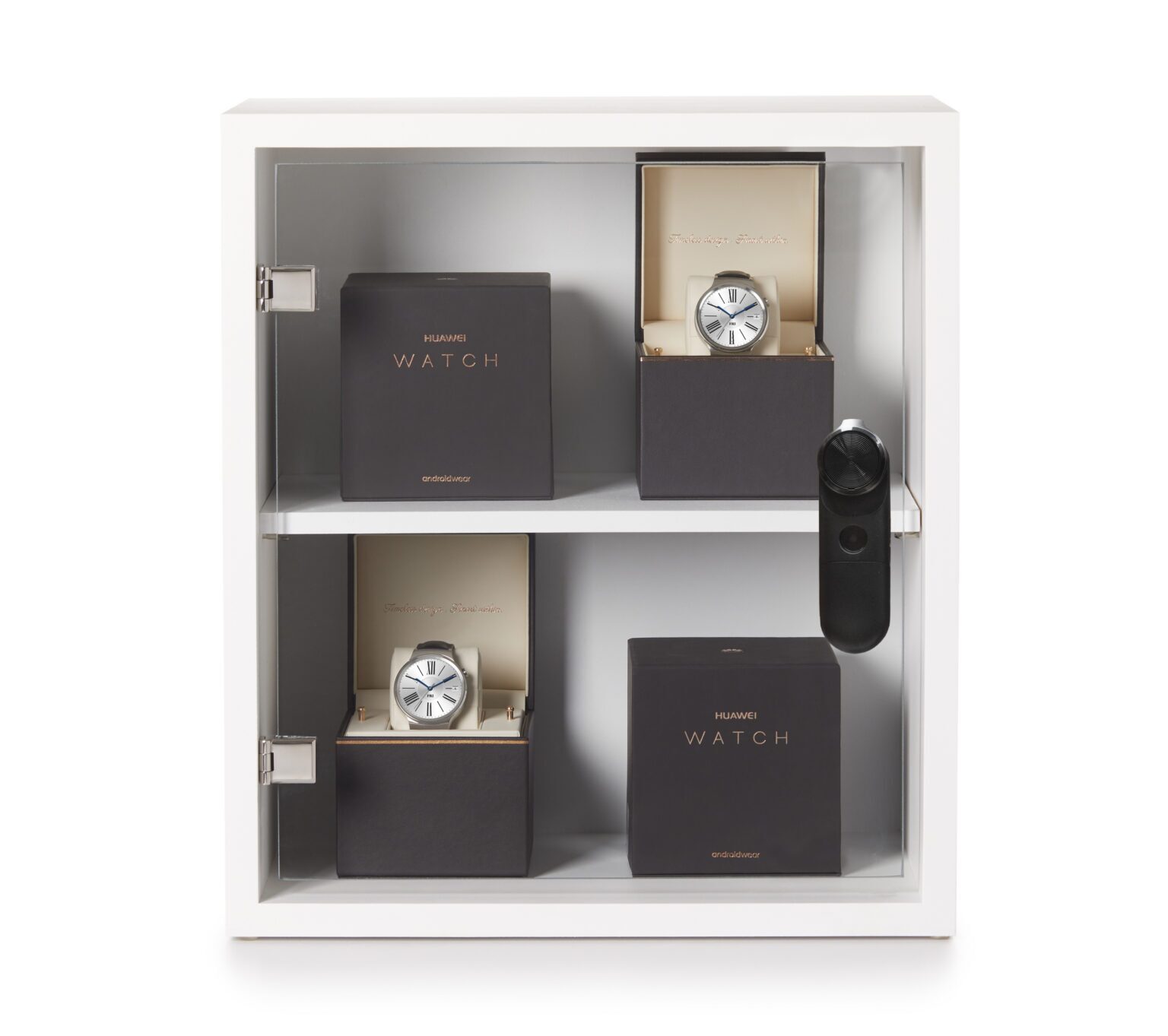
InVue’s OneKEY ecosystem is built around a single electronic key that works across every lock in the store: showcases, sliding glass doors, cabinets, drawers, cages, and outdoor fixtures. It requires no batteries and no sourced power, which means it keeps working during a power outage. Associates carry one key instead of ten.
Every access event is logged, creating a complete audit trail of who accessed what, when, and where. And if a key is lost or stolen, it’s deactivated immediately. No rekeying. No exposure window.
That same access data does more than protect merchandise. It shows you how your store actually runs. You can see which displays and departments get opened most, which associates are opening cases for customers most often, and when your real peak hours hit. That’s the kind of insight that helps you decide where high-demand products should live, how to staff around your busiest times, and where a little coaching could turn more showcase visits into sales.
LIVE Locks take that foundation further. They use Bluetooth Low Energy technology with a two-year battery life and no local wiring, and they can be unlocked using OneKEY, a mobile device, or both. LIVE Locks add mobile access, remote unlock capability, real-time access data visibility, and SSO integration for enterprise environments.
For stores that want to move toward fully keyless access or self-service shopping experiences, LIVE Locks are the path there. The practical difference is simple. A traditional key system produces no data. A smart lock system produces a complete operational picture of who is accessing what, when, and how often.
Smart Locks vs. Traditional Keys: 6 Dimensions That Matter
With a traditional key system, access is essentially anonymous. A shared code or a physical key passed between associates creates no record of who opened a display, when they opened it, or how long it was left unsecured. When merchandise goes missing from a locked case, that anonymity is the first thing that protects an internal bad actor.
Smart locks close that gap. Both OneKEY locks and LIVE Locks log every access event with a complete audit trail of who accessed what, when, and where. LP teams can flag unusual access patterns and build a timeline of events around any incident. The data doesn’t just help after a loss occurs. It changes behavior before one does.
The key ring problem is a service problem before it’s a security problem. An associate who has to find the right key, unlock a showcase, re-lock it, and return the key isn’t fully focused on the customer in front of them. They aren’t available to the next customer either, and in stores running lean staffing, that delay ripples across the floor.
OneKEY eliminates the identification step entirely. Associates don’t sort, don’t search, and don’t lose track of what goes where. Service response times drop, and the customer experience at the display case improves in a way that connects directly to conversion.
MediaMarkt said it plainly after making the switch: “Before we had a key ring with 10 keys and now, we only have one key for all showcases and the alarm system. That is ingenious.”
In high-traffic retail, every moment of friction at the display case is a moment a customer is reconsidering whether they want to wait.
A lost key in a traditional system triggers an immediate, costly response. The affected locks have to be identified. Hardware has to be sourced. The rekeying process has to be completed across every lock that key accessed. During that window, the exposure is real and the cost is measurable.
With OneKEY, a lost key is deactivated immediately in the system’s software. There’s no rekeying process because there’s nothing to rekey. The lock hardware stays in place. The exposure window closes the moment the key is reported lost.
Best Buy’s experience quantifies what this shift looks like in practice. Before InVue, they were replacing 50 padlocks per year due to lost keys and forgotten combinations, and experiencing theft from their cages. “Since installation, we have not had to replace any and we have experienced no theft from our cages.”
Traditional key systems don’t scale cleanly. Different fixture manufacturers use different key profiles. A store that grows its secured merchandise categories over time accumulates more key types, more rings, more complexity, and more points of failure. Multi-location retailers face an even harder problem: no centralized management, no consistency across stores, and no way to see access patterns at the chain level.
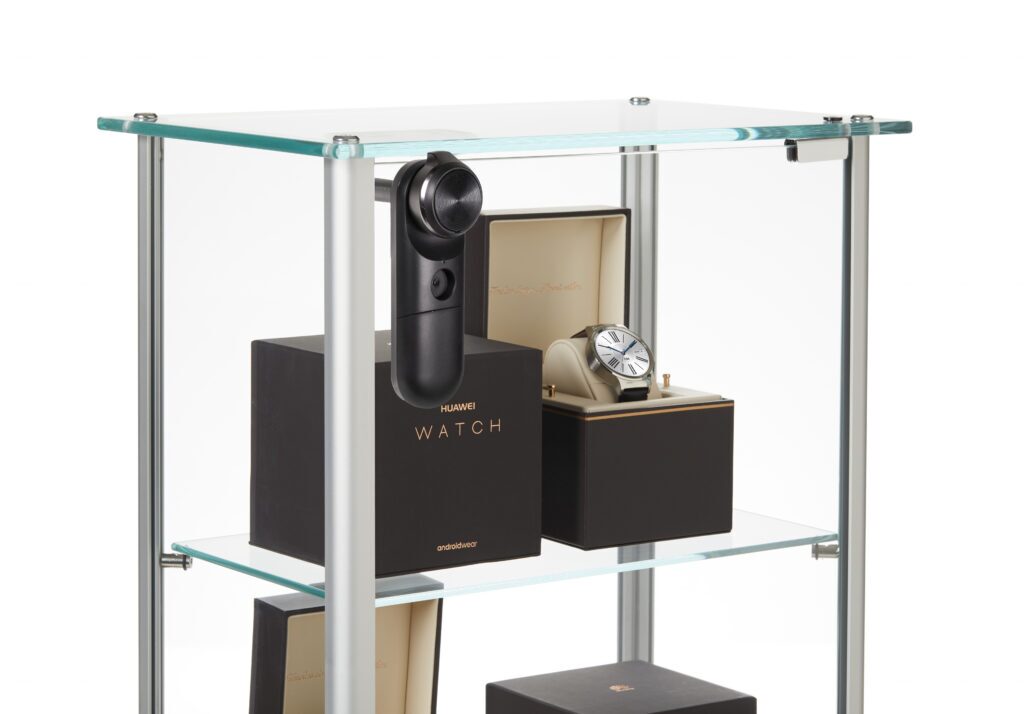
OneKEY works across every fixture type in the store. Sliding glass doors, swing-out showcases, drawers, cabinets, indoor cages, and outdoor padlock applications all use the same key. LIVE Locks extend that to multi-location visibility, with reporting by location and department and integration into existing enterprise systems.
InVue’s smart locks are also designed to retrofit onto existing store fixtures. There’s no redesign required, no fixture replacement, and no construction project. The security upgrade doesn’t require a store remodel to go with it.
The most common objection to smart locks in retail is the power question. What happens when the lights go out? It deserves a direct answer.
OneKEY requires no batteries and no sourced power. It operates independently of the store’s electrical system, so a power outage has no effect on lock function. Associates can still access secured displays and the system continues to log access events.
LIVE Locks use Bluetooth Low Energy technology and run on a two-year battery with no local wiring. They aren’t dependent on the store’s power supply. Remote unlock capability and lock status visibility remain available as long as the device operating them has connectivity.
The power outage concern is understandable. For InVue’s system, a power outage doesn’t change how the locks work.
Internal theft is consistently one of the most underreported contributors to retail shrinkage, partly because it’s hard to detect and partly because the systems most stores use don’t generate the data needed to identify it. A traditional key system with shared codes makes internal theft attribution nearly impossible.
Smart locks don’t eliminate internal theft. But they create the conditions that make it detectable. Per-user access codes mean every access event is attributed to a specific individual. Role-based permissions mean associates can only access the displays their role authorizes. A complete audit trail means LP teams can identify unusual access patterns and build an evidentiary timeline if an incident requires escalation.
When a key is lost or stolen, it’s deactivated immediately and unauthorized use is blocked from that point forward.
Choosing the Right Smart Lock System to Protect Your Retail Store
The answer depends on where your operation is today and where you need it to go.
If your primary problem is key ring complexity and associate efficiency, OneKEY Locks are the right starting point. Access data is stored on the key and syncs to the cloud when it’s checked back in, giving LP teams a reliable record of who accessed what and when. It’s the fastest path from a fragmented key system to a consolidated, accountable one.
If you want to go further, whether that’s mobile access, remote unlock capability, real-time access data visibility, or building toward self-service shopping experiences, LIVE Locks are where that goes. Options include LIVE U-Lock, LIVE Padlock, and LIVE Slider Lock, each designed to grow with the store’s technology program over time.
Every InVue smart lock retrofits onto existing store fixtures. No redesign, no construction, no fixture replacement.
Frequently Asked Questions
Yes. InVue’s OneKEY locks require no batteries and no sourced power, so they continue to function normally during a power outage. LIVE Locks use Bluetooth Low Energy technology with a two-year battery life and no local wiring, making them independent of the store’s electrical supply as well.
A lost or stolen OneKEY is deactivated immediately in the system’s software.
There’s no rekeying process and no hardware replacement required. The lock stays in place. The exposure window closes as soon as the key is reported and disabled. This is one of the most significant operational differences from a traditional mechanical key system.
Smart locks assign access by individual user, not by shared code. Every access event is logged by user, time, location, and department. LP teams can review access patterns, flag anomalies, and build incident timelines using that data. Role-based permissions also prevent associates from accessing displays outside their authorized area. Traditional key systems with shared codes can’t provide any of this.
Yes. InVue’s OneKEY ecosystem is designed to work across every fixture type in the store, including sliding glass doors, swing-out showcases, drawers, cabinets, cages, and outdoor padlock applications. All of them use the same key. The system also retrofits onto existing fixtures without requiring hardware replacement or store redesign.
OneKEY locks use a single electronic key that works storewide with no batteries and no power source required. LIVE Locks add mobile access via NFC or Bluetooth, remote unlock capability, real-time lock status visibility, and reporting by location and department. LIVE Locks are compatible with OneKEY, so stores can use both systems together.
If you’re ready to protect your retail store with a system that tells you who opened what and when, we’re ready to walk you through the OneKEY ecosystem.
Interested in learning more about how InVue can help you reduce shrink while enhancing the customer experience? Contact our team today.

