
Protect Your Store: Why Surveillance Cameras Alone Aren’t the Answer

Retail theft is a persistent challenge for businesses, driving some stores to take extreme measures—like posting guard dogs at entrances or locking up every item in sight. Yet, when it comes to battling theft, surveillance cameras have become the go-to strategy for many retailers.
Even though security camera systems have evolved significantly in their capability, they aren’t a cure-all for retail stores struggling with shoplifting. Today, businesses require a multi-layer approach to loss prevention since security cameras alone just aren’t enough.
In this blog, we cover the evolution of surveillance camera systems, the pros and cons of retail surveillance cameras, and introduce you to other anti-theft devices you can pair with security cameras to protect your products, your employees, and your shoppers.
The Evolution of Surveillance Cameras
Surveillance camera technology has made strides over the years. Initially, analog cameras used coaxial cables to send video to VCRs, which provided basic security but limited resolution and functionality. The introduction of digital video recorders (DVRs) was a major improvement, offering better storage, motion detection, and the ability to view footage remotely.
With the invention of internet protocol (IP) cameras, surveillance entered a new era. These cameras transmit video over networks, allowing for remote access and higher resolutions like 720p and 1080p HD. This development improved image clarity and provided more detailed footage.
High-definition and megapixel cameras further enhanced surveillance capabilities by offering even clearer images and better zoom options. Meanwhile, wireless cameras made installations easier by removing the need for extensive cabling, though they brought challenges with signal strength.
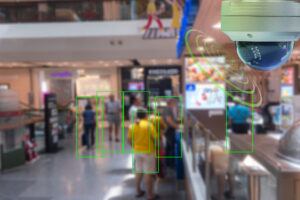
The latest advancements include smart cameras equipped with artificial intelligence (AI) for features like facial and gait recognition and real-time analytics. Cloud-based solutions have also become popular, providing scalable storage and remote access to footage. For comprehensive coverage, 360-degree and panoramic cameras offer wide views, while thermal and low-light cameras ensure visibility in challenging conditions.
Integration with the Internet of Things (IoT) has connected surveillance systems with other smart devices, allowing for greater automation and customization. This ongoing evolution has significantly improved how we monitor and secure our environments, making modern surveillance systems more effective and adaptable than ever before.
The Advantages of Retail Security Cameras
The primary function of cameras has remained consistent for nearly a century because they are effective. Here are some of the key advantages of retail security camera systems:
- Deterrence: The sight of cameras can discourage potential thieves from targeting your store. In Orange County, New Jersey, surveillance cameras installed across the city showed a 50% drop in all crime types, according to a study cited by ADT. It sends a clear signal that criminal activity won’t go unnoticed.
- Evidence Collection: Camera recordings serve as evidentiary footage for investigating and prosecuting theft.
- Monitoring: Cameras allow for real-time observation of store activities and in some instances, automatically alert loss prevention specialists to potentially suspicious activity, enabling prompt responses.
- Outdoor Surveillance: Crime doesn’t just happen inside of your store; it happens around it, too. Outdoor cameras monitor parking lots and store entrances, enhancing the safety of visitors and employees. You can utilize cameras with advanced technological features like license plate recognition to improve security measures in these areas.
- Discreet solution: Cameras can be positioned in plain sight or discreetly hidden from view. The ability to hide them makes them versatile for use in various locations, such as malls, shopping centers, banks, and beyond.
Retail store security cameras are a great investment. Even with the best video security money can buy, it doesn’t actually stop theft.
The Disadvantages of Retail Security Cameras
Despite their advantages, retail surveillance cameras come with significant drawbacks:
- High Initial Costs: Installing a comprehensive network of surveillance cameras can be expensive. According to commercial security installers, a basic business security camera system typically starts around $4,000 to $10,000 — and that’s before factoring in installation labor, which varies significantly based on building size, construction type, and coverage requirements. And if your shopping center covers a lot of square footage, complete coverage will cost you even more.
- Privacy Concerns: The presence of surveillance cameras can raise privacy issues. Customers and employees may feel uncomfortable knowing they are constantly being recorded, leading to potential concerns about their privacy rights. Also, disgruntled employers may spend more time paying attention to their staff than actual criminals.
- Manipulation Risks: We’ve all heard the stories of a hotel patron or an unsuspecting person finding a camera where it isn’t supposed to be. Cameras can be manipulated or misused. There’s a risk of them being used to spy on employees, which can lead to harassment or stalking. The potential for misuse of footage is a serious liability for many businesses especially when using third party systems.
- Extensive Maintenance: Scenario: a police officer visits a local convenience store for security footage only to find the cameras haven’t worked in years. It happens far more often than you’d think. Keeping surveillance systems in top condition requires ongoing maintenance. This can be time-consuming and costly, involving regular checks, repairs, and upgrades.
- Limited Theft Prevention: Cameras do not actually stop theft. While they can help identify perpetrators, many criminals are becoming more brazen. Today, criminals throw on a mask or take other measures to evade recognition, rendering the cameras less effective. Cameras are a retroactive solution as opposed to a proactive one.
- Dependence on Security Personnel: Effective use of surveillance cameras often requires security personnel to monitor and respond to alerts. Mobile alerts from retail security camera video management systems enable security staff to quickly address incidents, but this adds to operational costs and complexity.
Given these limitations, it’s clear that relying solely on retail surveillance cameras is not enough. To build a more effective security system, retailers should consider incorporating additional anti-theft tools like access control devices.
To enhance the effectiveness of retail surveillance cameras and overcome their limitations, InVue provides retail loss prevention and access control solutions that work at the product level. InVue’s devices offer a proactive approach, preventing your products from leaving the store without hindering customers or employees from engaging with or purchasing them. Unlike other reactive security measures, InVue’s solutions target thieves specifically, ensuring a seamless shopping experience for legitimate shoppers.
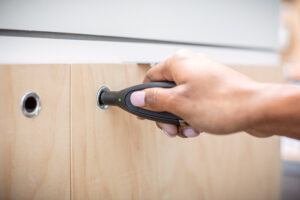
Elevate your retail security by combining surveillance cameras with InVue’s access control solutions. InVue’s LIVE locks and access control devices are designed to manage access, preventing theft before it happens and adding an extra layer of protection.
InVue’s access control line includes Cam Locks, Plunger Locks, Slider Locks, U-Locks, Self Latching Locks, and Padlocks, each designed for a specific fixture type, from swing-out doors and drawers to sliding glass cases. All operate within the OneKEY ecosystem.
These solutions prevent unauthorized entry, minimize internal theft, and integrate with your existing security infrastructure. Associates access secured areas via OneKEY, the OneKEY app, NFC, or Bluetooth depending on the solution, no complex key management required.
Additionally, our single-key system can be used with nearly all our access control and asset protection solutions, including hanging merchandise, packaged ready-to-sell products, and display merchandise, providing a unified approach to security and loss prevention, while allowing for complete customer interaction.
InVue’s access control and asset protection products offer some valuable insights. They provide detailed analytics on which items customers interact with the most, helping you decide where to focus your security camera coverage. Plus, you get an audit trail showing which employees are accessing which Smart Locks or asset protection devices. So, if something goes missing, you’ll have a clear record of who accessed what, making it easier to pinpoint a starting point for an investigation without having to rely on potentially unclear footage from cameras.
This is where cameras and InVue solutions work best together. Cameras capture what happened in the space and at what time. InVue’s access audit trail tells you who opened which display, when, and where, giving your loss prevention team a precise starting point rather than hours of footage to review.
As the saying goes, “You should only believe half of what you see.” Cameras are one layer of a retail security program, not the whole program. When you pair cameras with reliable anti-theft devices that offer an audit trail of access, you create a solid defense against theft. While retail surveillance cameras are a key part of any security system, they do have their limits. They’re great for monitoring, improving employee safety, and boosting operational efficiency, but they don’t actively prevent theft on their own.
To fill in those gaps, consider integrating advanced solutions like InVue’s Smart Locks and our other OneKEY-compatible solutions. These tools help enhance your store’s security and protect your merchandise more effectively. Every access event is logged. Every key is accountable. And if a key is lost or deactivated, no rekeying is required across the store.
Interested in learning more about how these products can safeguard your store? Contact us for more information.
Frequently Asked Questions About Retail Surveillance Cameras
Do retail surveillance cameras actually prevent theft?
Cameras are an effective deterrent for opportunistic theft, the visible presence of a camera causes many would-be shoplifters to reconsider. However, cameras are fundamentally a reactive tool. They record what happens rather than stopping it at the product level. Organized retail crime groups in particular have adapted to camera coverage by using masks, hoods, and coordinated distraction methods that reduce the usefulness of footage after the fact. For proactive theft prevention, cameras need to be paired with product-level security solutions that alarm at the moment of unauthorized removal.
What is the difference between retail surveillance cameras and access control systems?
Retail surveillance cameras monitor and record activity across the store floor. Access control systems manage and log who can access specific areas, displays, or merchandise, and trigger an alarm when unauthorized access is attempted. Cameras tell you what happened after the fact. Access control solutions like InVue’s OneKEY ecosystem log every access event in real time, giving loss prevention teams an audit trail tied to individual associates. The two work best together: cameras for broad monitoring, access control for product-level accountability.
What are the biggest limitations of retail store surveillance systems?
The primary limitations are that cameras don’t physically prevent theft, they require ongoing maintenance to stay functional, high-coverage systems carry significant installation costs, and experienced retail crime groups have learned to defeat facial recognition and camera coverage through masking and coordination. Additionally, cameras require security personnel to monitor them in real time to be effective, adding operational overhead that compounds at scale.
How do retailers use cameras alongside other loss prevention tools?
The most effective retail security programs use cameras for broad floor monitoring and pair them with product-level deterrents like alarmed display security and access control systems. InVue’s solutions connect to the OneKEY ecosystem, providing a unified audit trail of every access event across every secured display in the store. When a loss event occurs, the combination of camera footage and InVue’s access log gives loss prevention teams a precise starting point for investigation rather than hours of footage to review.
What should I look for in a retail surveillance camera system?
Resolution and low-light performance matter most for evidence quality. Remote access and mobile alerts enable faster response. License plate recognition adds value for outdoor and parking lot coverage. AI-assisted monitoring reduces the personnel burden of watching live feeds. That said, no camera system alone constitutes a complete loss prevention program, the most effective retail security programs layer camera coverage with product-level access control and alarmed display security.
What is the OneKEY ecosystem and how does it work with cameras?
The OneKEY ecosystem is InVue’s single-key access platform that connects display security devices, access control locks, and associate credentials into one unified system. One key opens every secured display in the store. Every access event is timestamped and logged by associate. Paired with camera coverage, the OneKEY audit trail tells loss prevention teams exactly who accessed which display and when, turning a camera-based investigation from a footage review exercise into a targeted records lookup.

